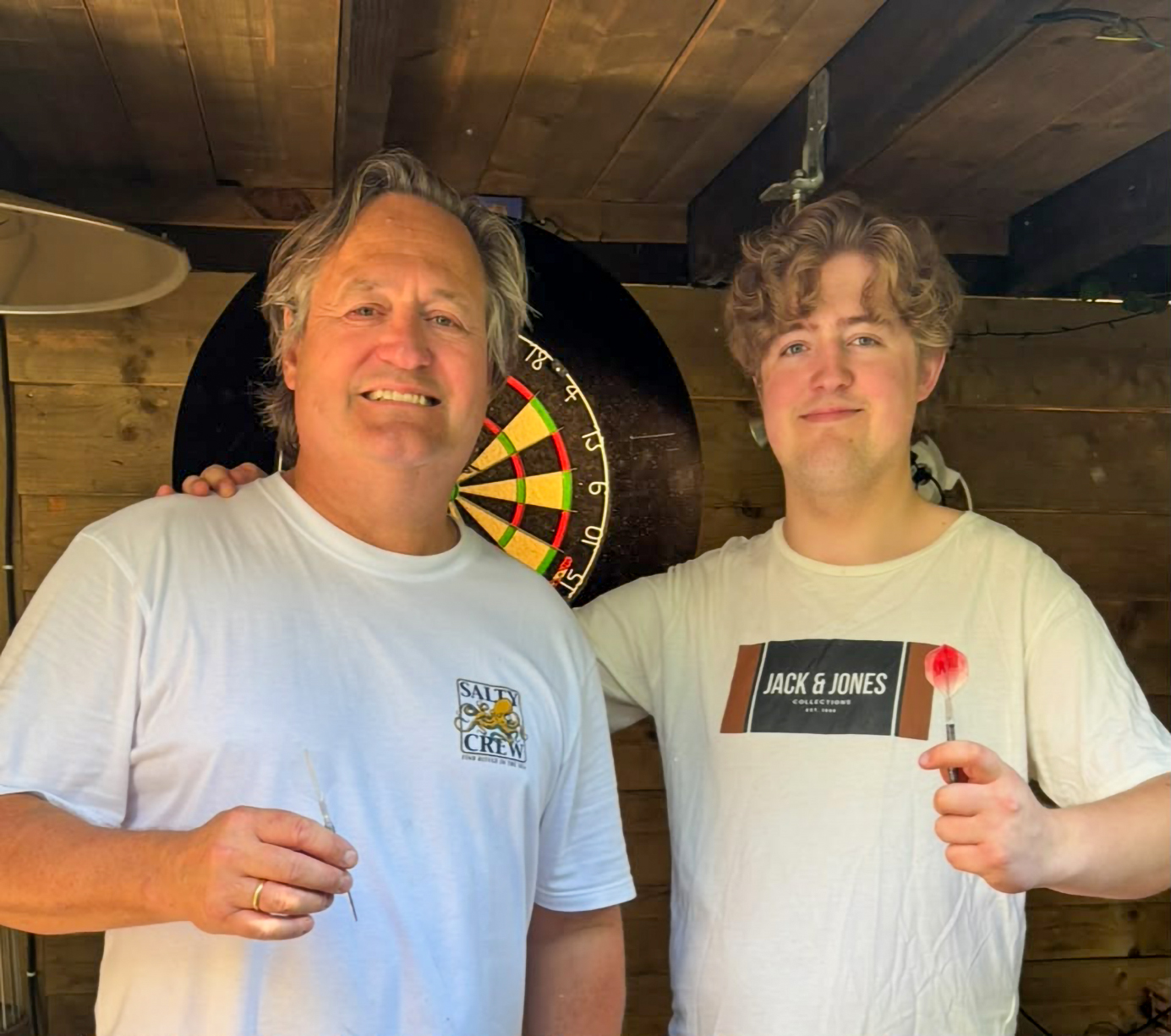
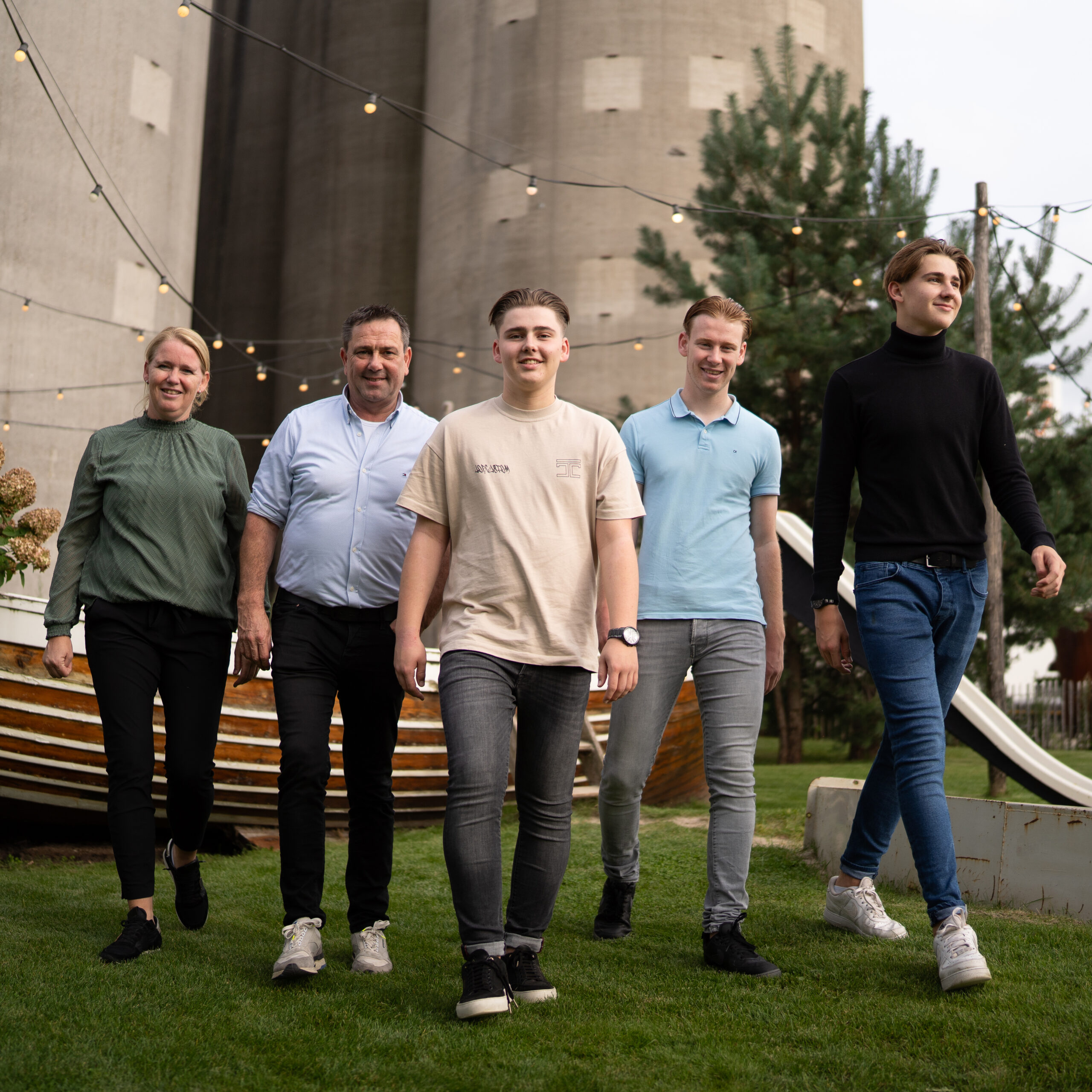
They were just ordinary boys. They went to school, played with friends, played hockey and tennis, went swimming, went on holiday, made plans for the future and dreamed about what they wanted to become. Like any parent, we assumed their world would continue to grow as they got older.
Instead, it began to shrink.
Floris was diagnosed with Limb-Girdle Muscular Dystrophy type 2A/R1 when he was nine years old, after a muscle biopsy. Tobias received the same diagnosis several years later, as a teenager. This changed our lives forever.
LGMD 2A/R1 is a very rare, progressive muscle disease. About 250 people are estimated to have it in the Netherlands. It is not hereditary, but a spontaneous mutation. There is currently no approved treatment that can stop or reverse the underlying cause of the disease.
Two young men. One shared hope
Tobias and Floris had never met until their fathers were introduced through a mother whose son participated in a clinical trial ten years ago. That story showed that what once seemed impossible could become reality, and ultimately led to the creation of the Together for Limb-Girdle Foundation.
Now, Tobias and Floris share their stories. Not because they are defined by LGMD, but because they believe that by putting a face to the disease, they can help accelerate the journey from hope to treatment for everyone living with Limb-Girdle Muscular Dystrophy.
What makes the condition so cruel is what it takes away. First, climbing stairs becomes a challenge. Then you can no longer run, which means playing hockey is out of the question. Next comes tennis. Walking becomes more difficult. Getting up from a chair, something most people don't even think twice about, turns into a task that requires planning, strength and perseverance. Going anywhere where you have to sit down happens less and less at first, and then not at all.
Every year brings a new adjustment. A new limitation. A new piece of independence that disappears.
More than the physical
For Tobias and Floris, the hardest part is not only the physical impact. It is having to accept that they can do less and less while their friends can do more and more, exploring new things in life as they grow up.
At their age, young people are normally becoming more independent. They are studying, travelling, building careers, moving out, exploring the world and discovering who they want to be. They go out, their world expands. For our sons, the opposite is happening.
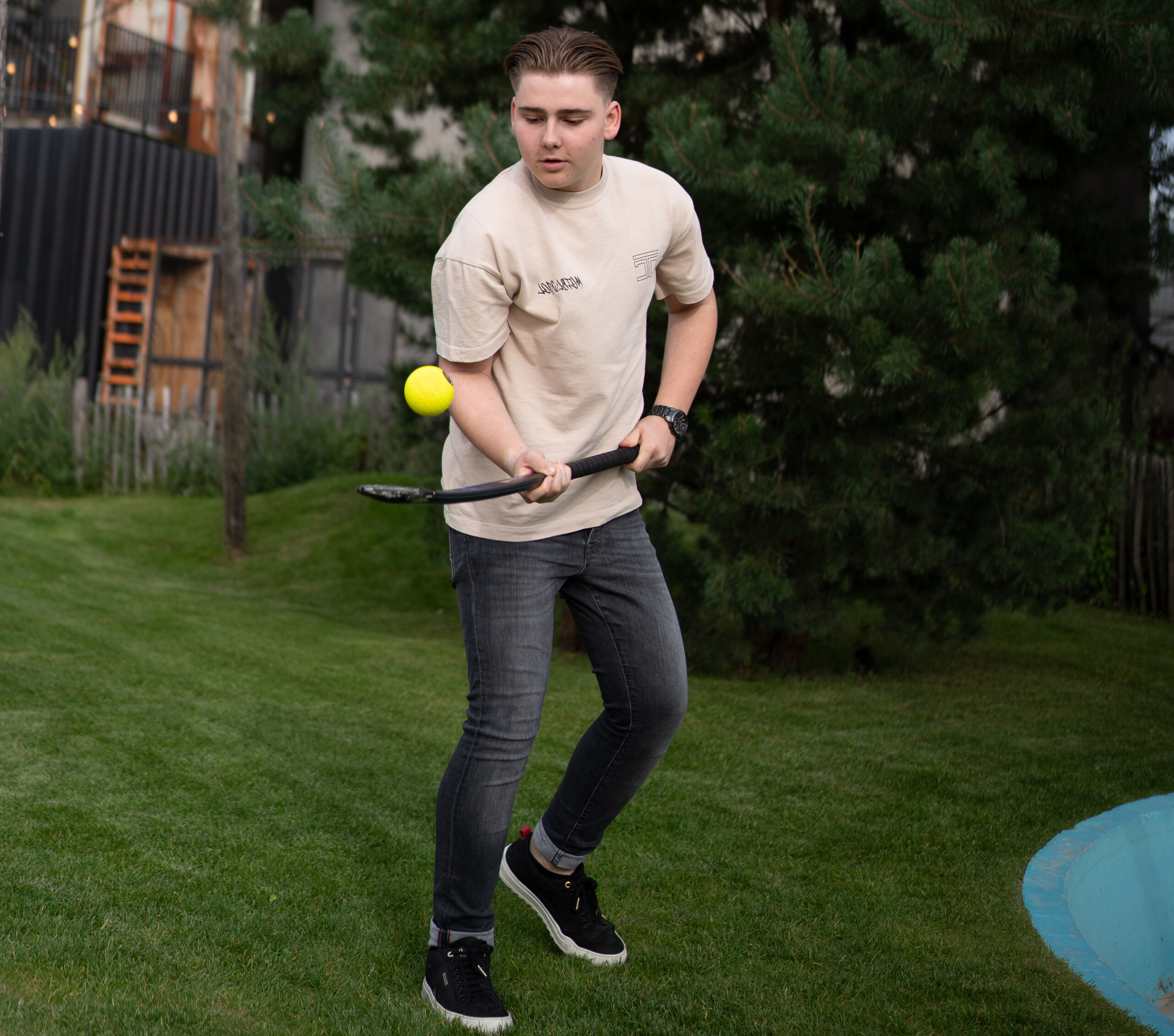
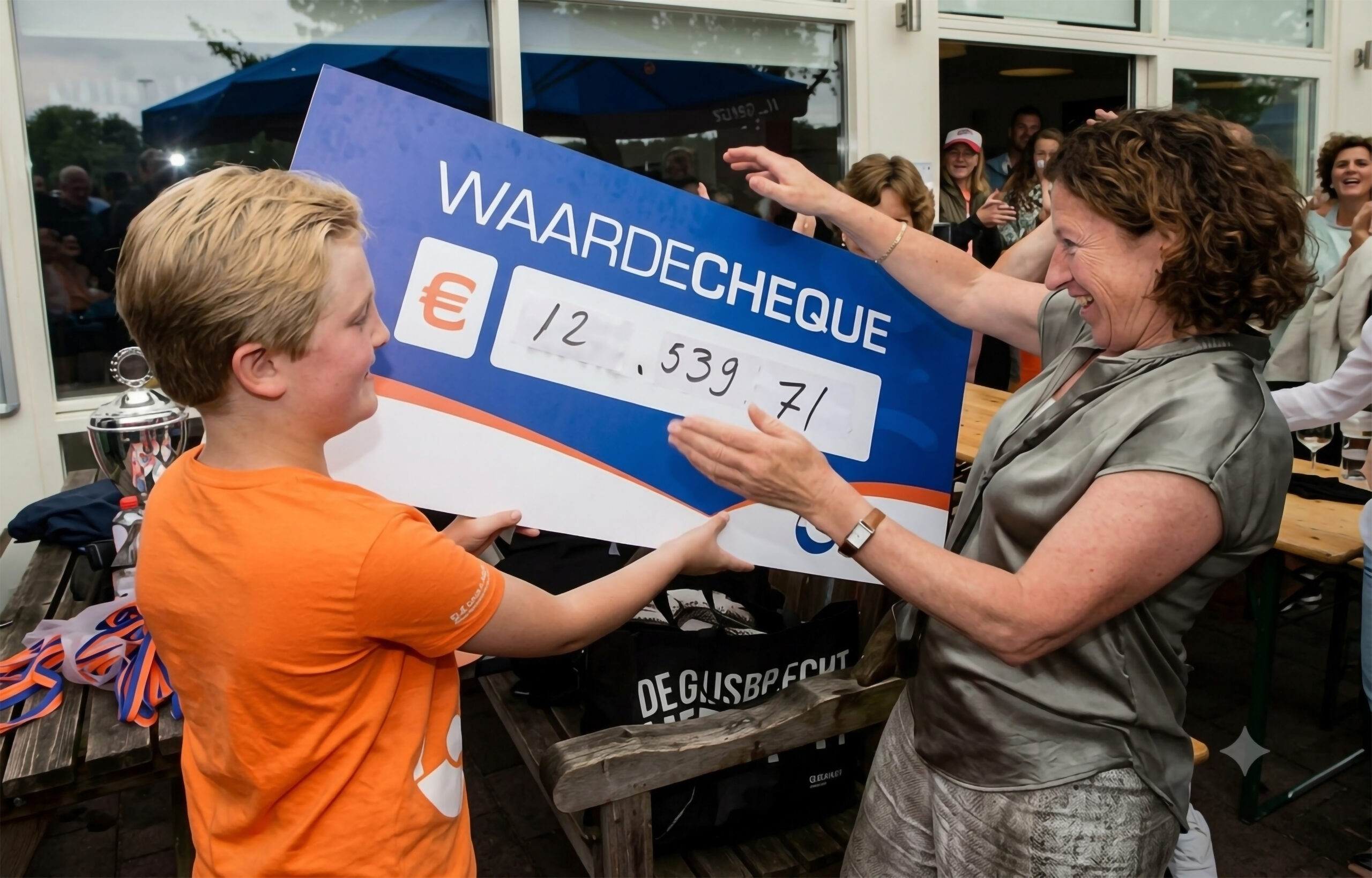
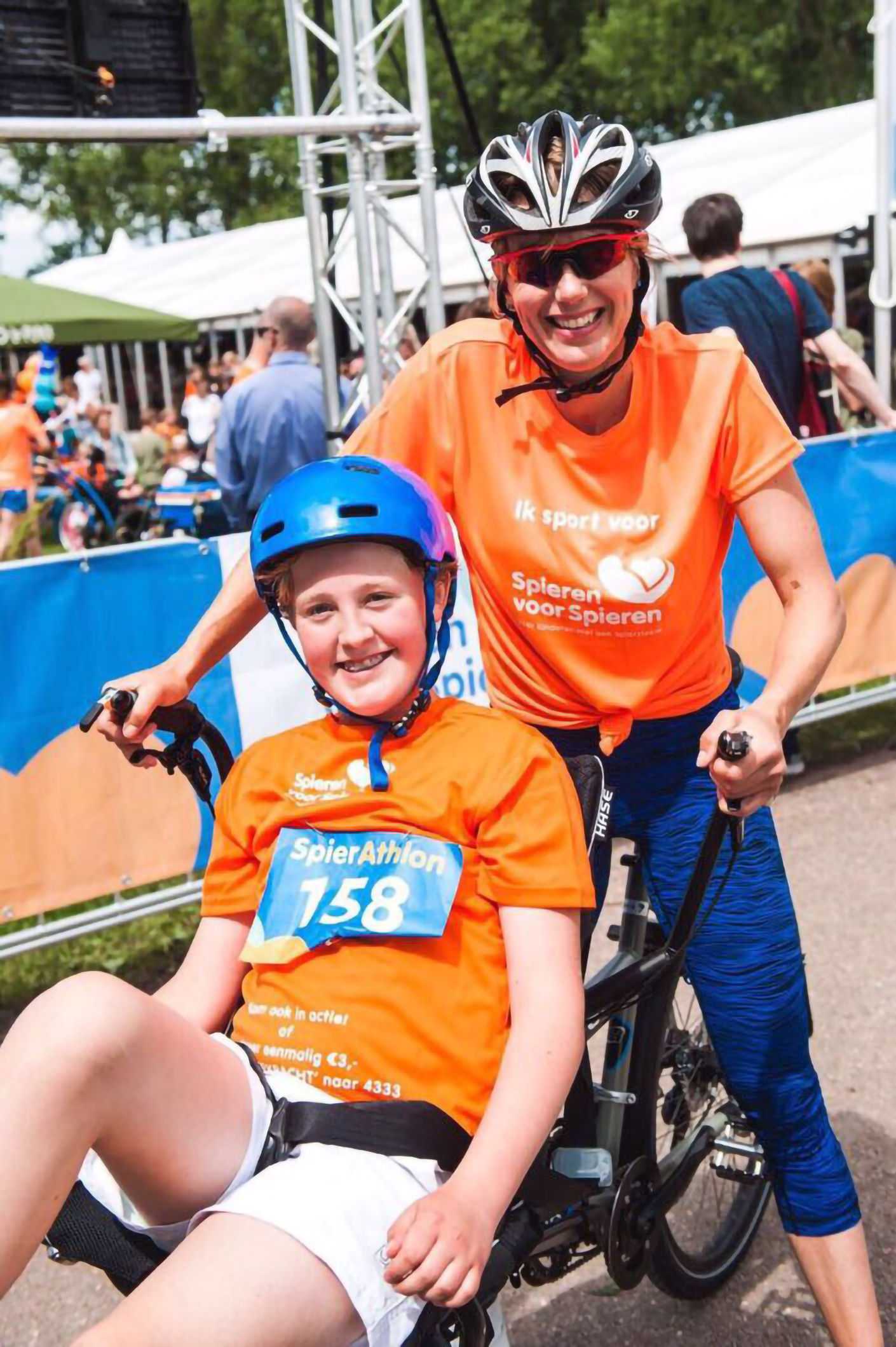
As parents, it is almost unbearable to watch. Every parent wants to see their children spread their wings. Instead, we see how a disease is gradually placing more boundaries around their lives. The world that should be opening up to them is becoming smaller.
Most of us never think about movement. We take it for granted that we can get up from a chair, climb a staircase, walk through a city, or meet friends without considering the effort involved. When that ability starts disappearing, the impact is impossible to fully describe. It is physical. It is mental. It is emotional. It affects every aspect of life, from education and work to friendships, relationships and self-confidence. As parents, we often feel guilty about being able to move in a way our sons can't.
A discovery in France
For years, we tried to understand what was happening in the scientific world. Over the last twelve years, we have followed developments in muscular dystrophy and gene therapy wherever they emerged. Like many others, we assumed the breakthrough would come from the United States.
What we did not know, was that in France, the non-profit laboratory Genethon, created by the patient organization AFM-Téléthon, had been quietly building one of the world's leading gene therapy programmes for rare diseases. They had already invested tens of millions of euros and successfully advanced therapies for multiple neuromuscular disorders, including other forms of Limb-Girdle Muscular Dystrophy.
We kept following their work. About a year ago, we contacted them directly and asked a simple question: where do things stand for LGMD 2A/R1?
Their answer surprised us.
The scientific work for a first-in-human Phase 1 clinical trial for 2A had largely been completed. The therapy was ready for the next step. But the challenge was funding.
Genethon had already carried the enormous cost and risk of developing the therapy. Yet, as a non-profit organisation working on many rare diseases, they cannot bring every programme to market by themselves. And the reality is that large pharmaceutical companies are not lining up to invest in ultra-rare diseases. While there are notable success stories, such as Novartis acquiring patents from Genethon to develop its gene therapy drug for Spinal Muscular Atrophy called Zolgensma®, the commercial incentives for very rare conditions remain limited.
When we heard that, we asked what we could do to accelerate the path to a real solution that could impact the future of our sons and many more living with LGMD 2A. Could we help raise awareness? Could we help find donors? Could we connect with investors? Could we help bridge the gap between a promising therapy and the patients who desperately need it?
That conversation became the starting point for everything that followed.
A reason to believe
The inspiration to take action was also shaped by another parent we had met years earlier. Her son has LGMD 2B. She fought tirelessly to get him access to a clinical trial in the United States. She never stopped believing that progress was possible. She taught us how important hope can be, especially when every day is a struggle.
He was able to enroll in a clinical trial in the US ten years ago. Today, her son is no longer confined to the wheelchair he once depended on.
Her story reminded us that breakthroughs do happen. Not overnight. Not easily. But they do happen when people refuse to give up.
Why we exist
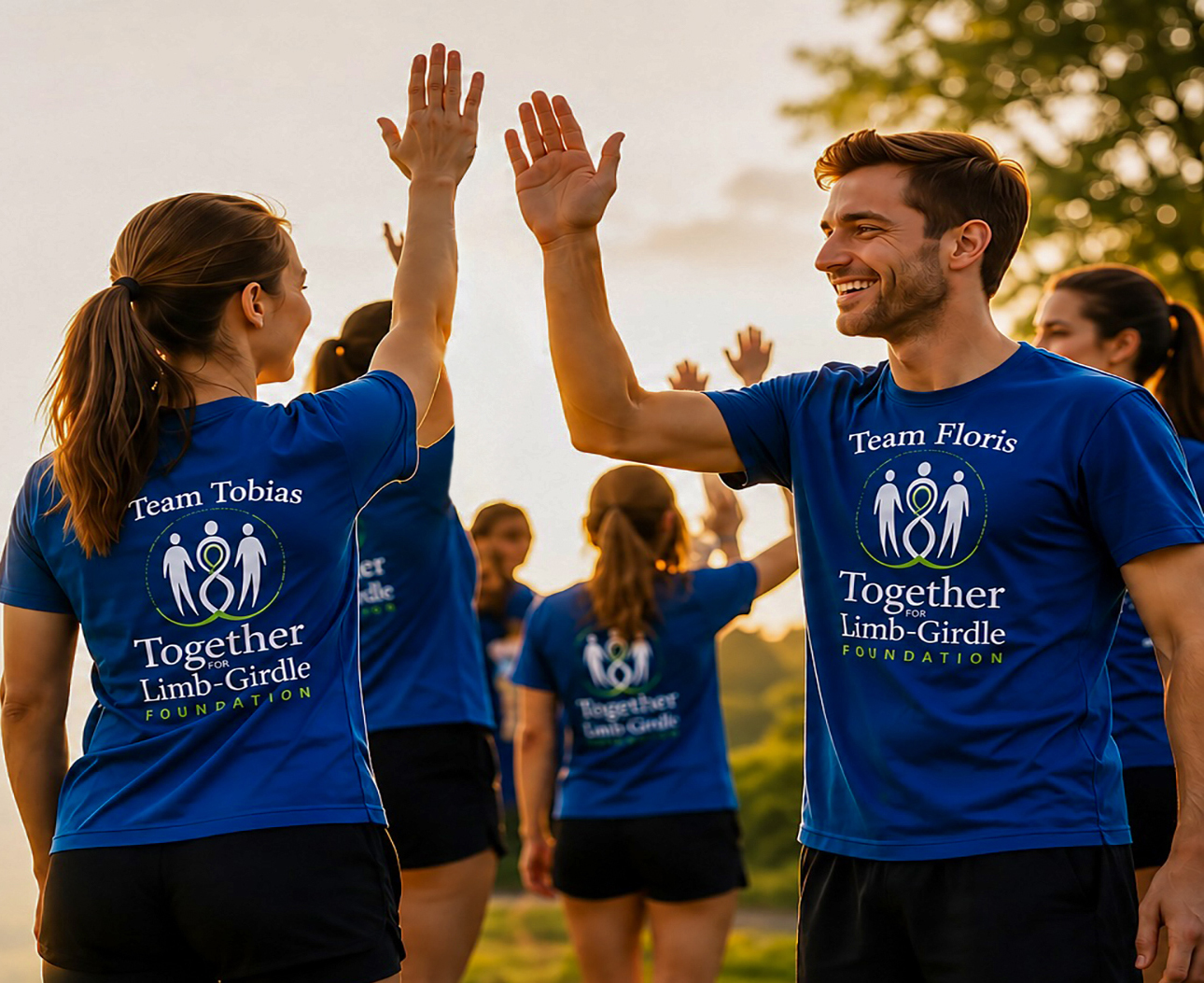
That is why we recently established the Together for Limb-Girdle Foundation.
We are not scientists. We are not investors. We are parents. But we are parents who have spent over ten years following every development, speaking with experts, learning from other families and refusing to accept that waiting is the only option.
Our goal is simple: to help accelerate the path towards treatment for people living with LGMD 2A/R1. Whether that means bringing together donors, investors, researchers, clinicians or patient organisations, we are committed to do everything within our power to help move this therapy forward.
We cannot promise success. Clinical development is never certain. What we can say is that for the first time in many years there is a real opportunity. The science exists. The researchers are ready. The clinical trial has been prepared. Now the question is whether society is willing to help take the next step.
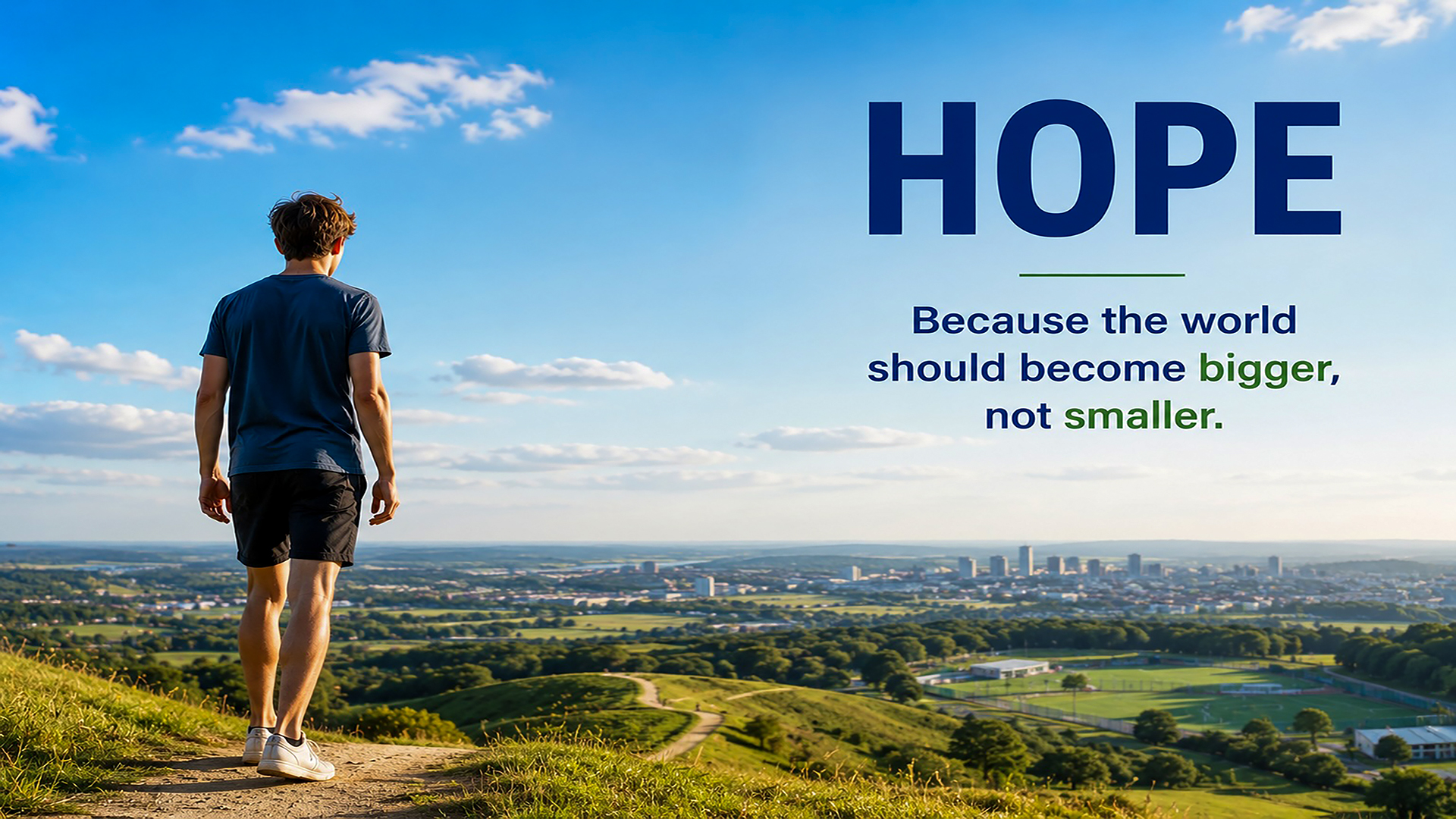
Because for families like ours, hope is not an abstract concept.
Hope is the possibility that Tobias and Floris, and others like them, might one day see their world become bigger again instead of smaller.
Our work begins here. But it will not stop here. Our vision is bigger. We believe that by supporting the right science today, we can create a world where no family faces this disease without hope.