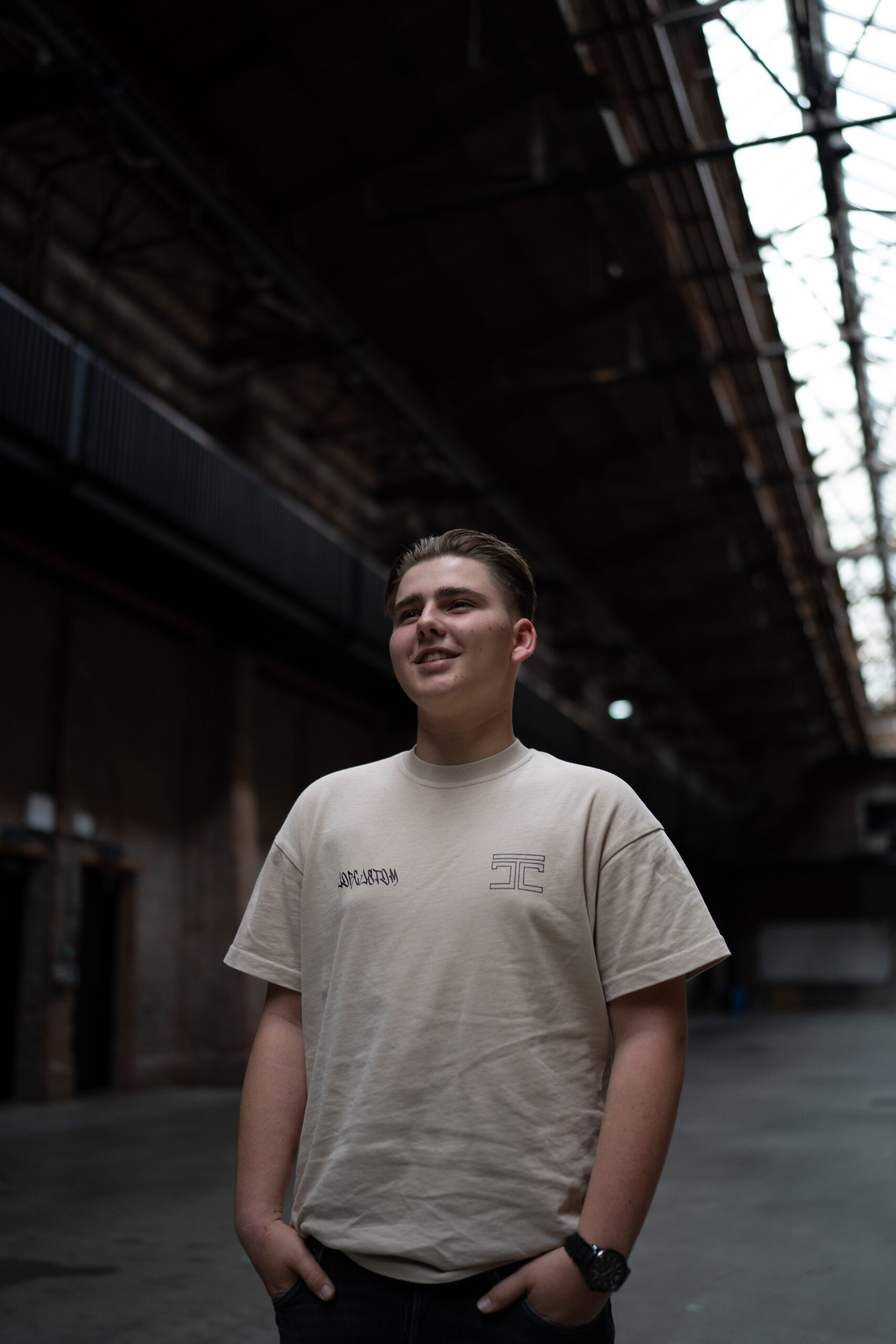
Tobias, 18 years old, student.
Tell us about yourself. What do you enjoy, what are you passionate about, and what would your friends say about you?
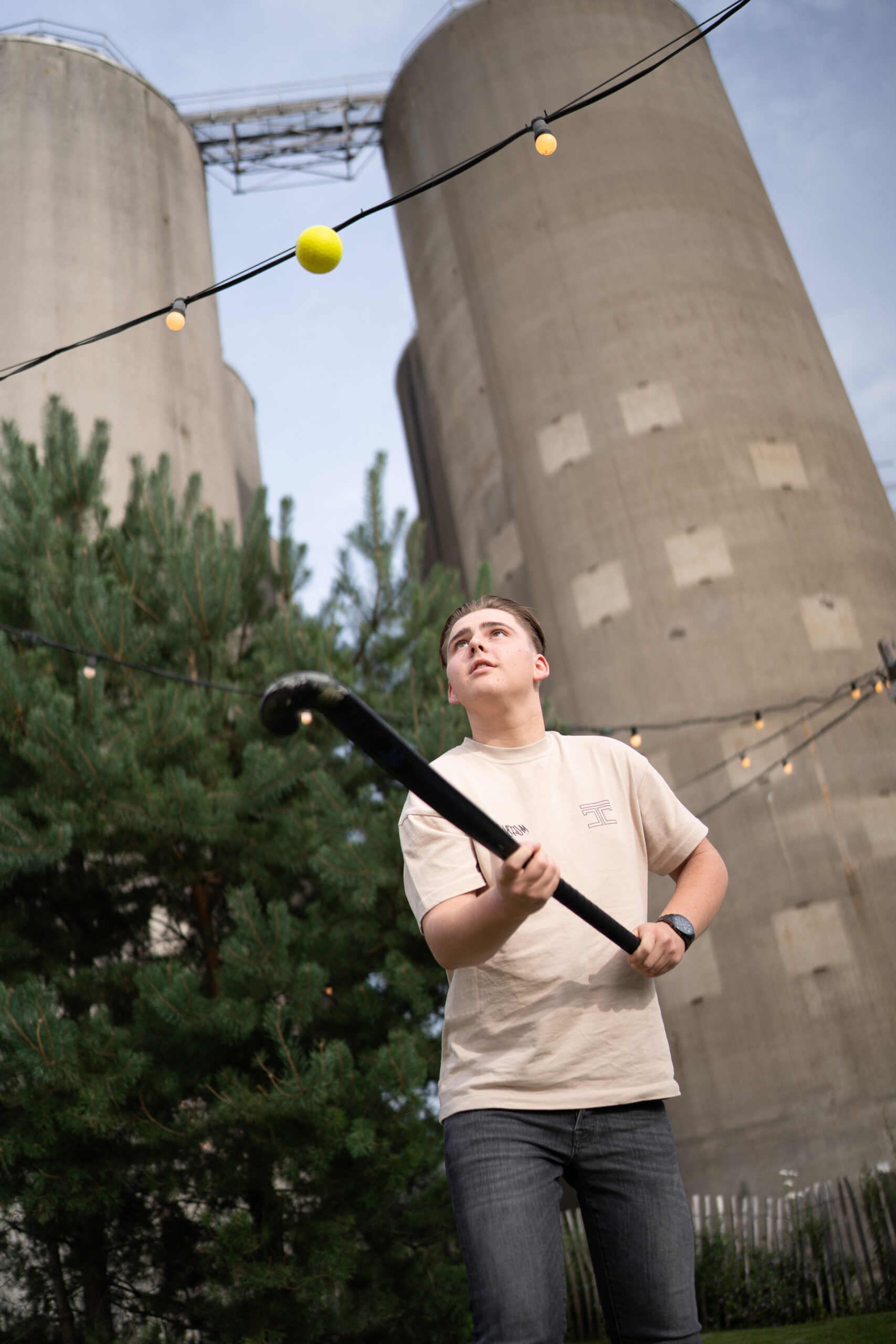
I was born on 17 July 2008, the third child in a family of three boys, and I've always looked up to my older brothers. At seven, I took up sport, choosing between hockey and judo. After a few years of judo, hockey won my full attention, and became the sport I loved most.
I keep busy with school, my part-time job, and spending time with friends.
How has LGMD shaped your life? What has been the biggest challenge, and what has living with LGMD taught you about yourself?
I began to notice I was losing speed and could no longer sprint like the other kids my age. Concerned, my family started looking for answers. Despite several visits to a physiotherapist, the only diagnosis was hamstrings that were too short, so I did my exercises to train them, but the result we hoped for never came.
Eventually, an orthopaedist referred us to a neurologist, who recommended a blood test. It revealed a very high CK level, a sign of muscle damage. A follow-up DNA test in April 2022 confirmed it: I have the muscle disease LGMD.
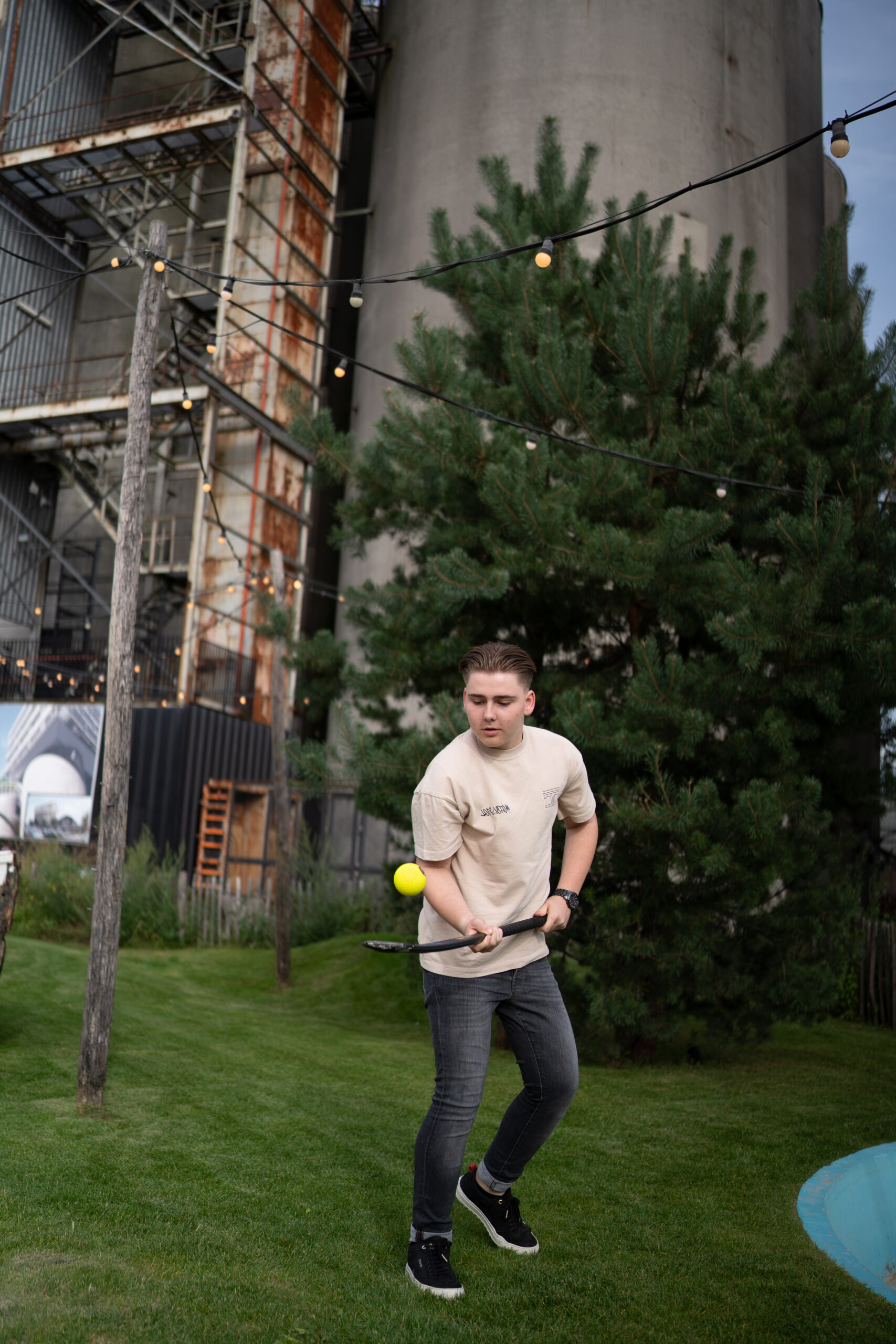
The condition has several variants, each with a slightly different course, but all of them are progressive, so my muscle strength will decrease over time. A few years ago I had to stop playing hockey, which was hard to accept. If it's taught me anything, it's to make the most of what I can still do, and not take it for granted.
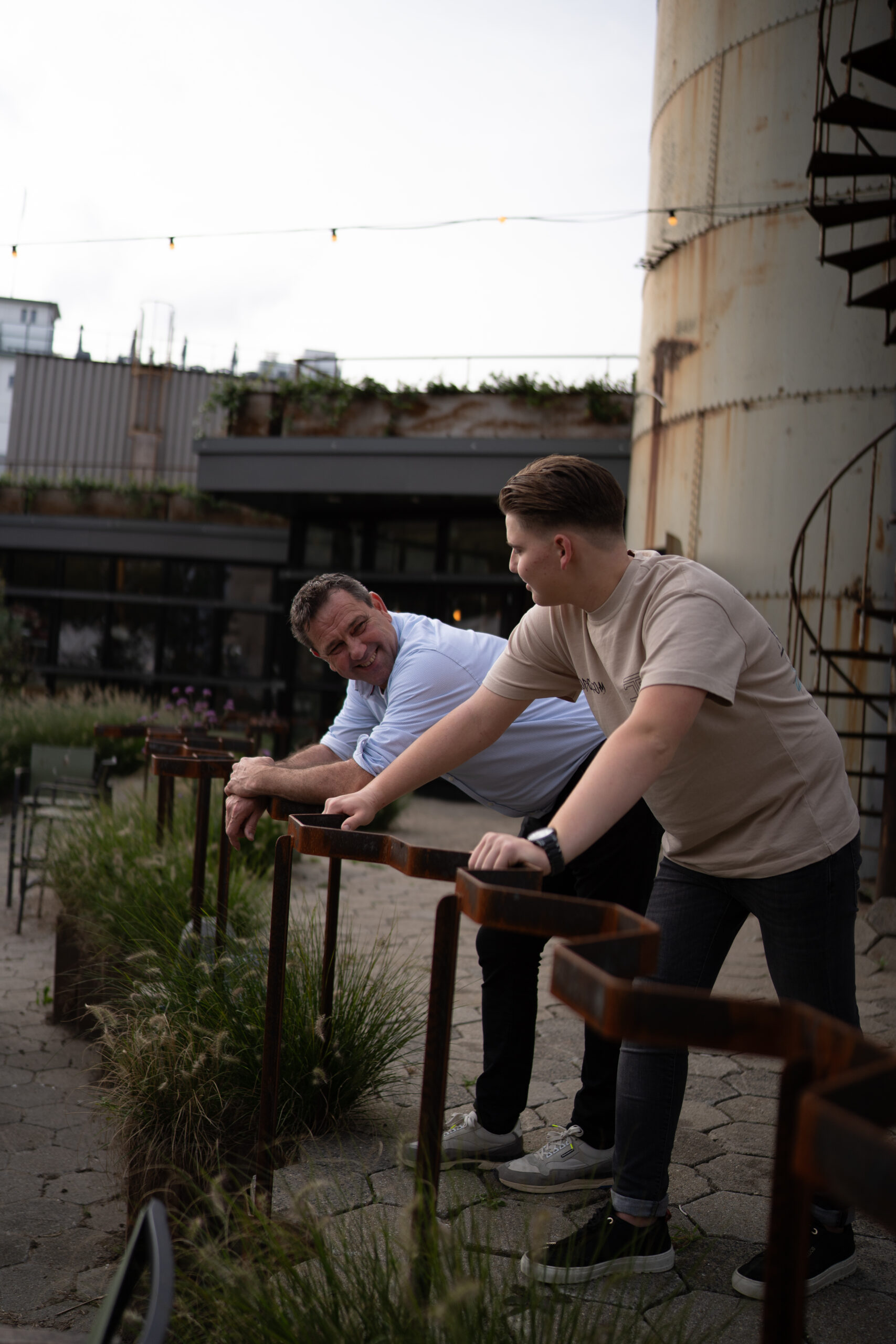
Fighting together
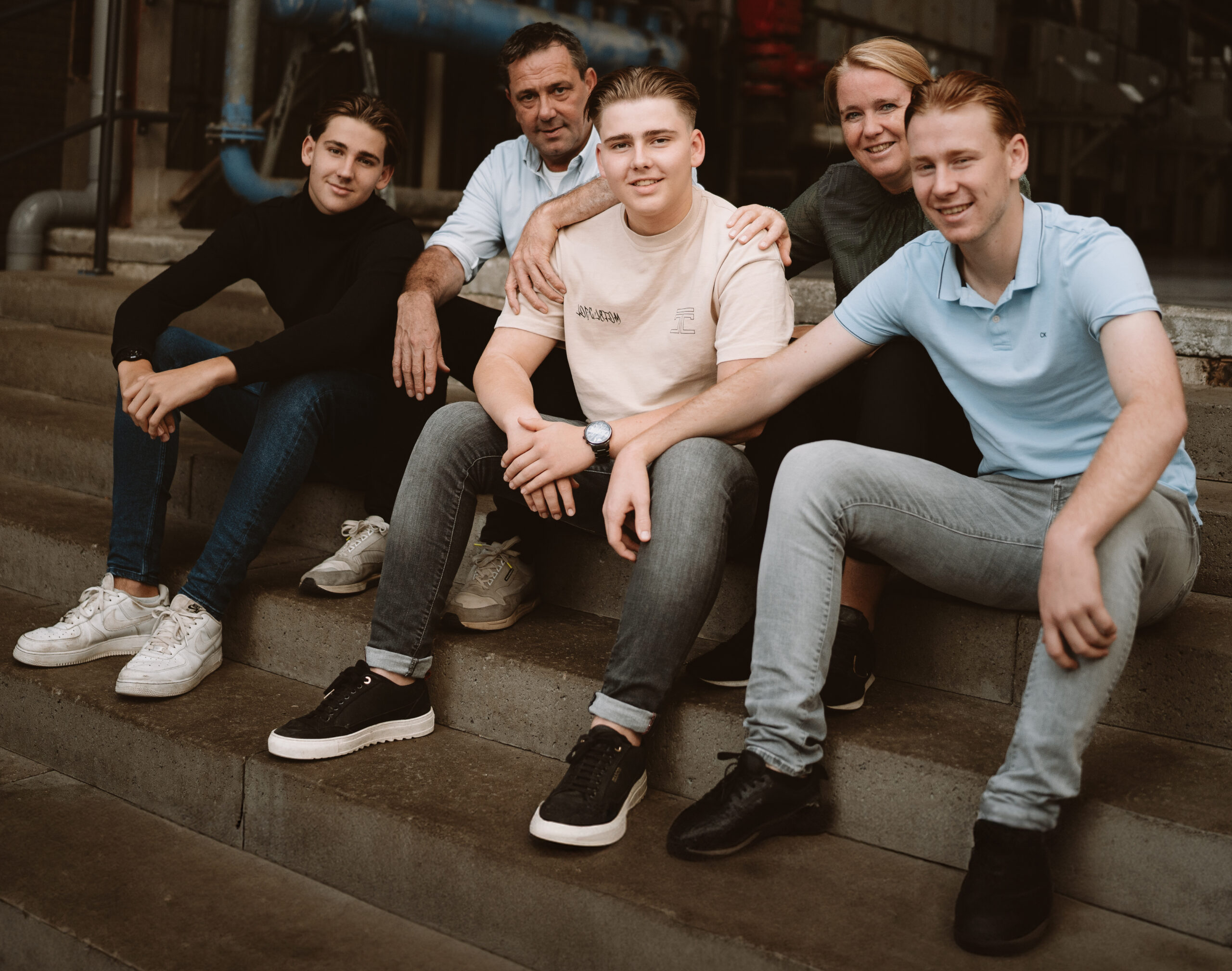
"This disease doesn't only leave its mark on my son. It leaves a deep mark on our entire family. We are determined to fight together, as a family, for Tobias, for research, for every possible resource we can put to use for our son. We feel a strong connection with other families facing the same disease, and understand how important support, understanding and sharing experiences are."
Harrie Steenbakkers, father of Tobias
What do you hope for your future? What are your dreams, ambitions, or experiences you hope to have?
I know a day will come when these activities become harder, and I want to be ahead of that. I hope I can keep doing the things I still love, like spending time with friends, and just get to be like any other teenager.
What does the progress in gene therapy mean to you? Knowing that research is moving closer to treatments, what gives you hope? And if a successful therapy became available, what would it mean for your life?
Knowing that scientists are working on a treatment gives me a lot of hope for the future. If a therapy became available, it would mean I could play hockey again, keep up with my friends, and not have to think about what I might lose next.
What message would you like to leave visitors to this website? What would you want people to understand about LGMD, and why should they support the Together for Limb-Girdle Foundation?
LGMD is very rare, which unfortunately also means little research is being done into it. If you've read this far, thank you. Spreading awareness helps us reach people willing to donate or take action themselves, so that, together, we can help make a treatment happen.
I also hope this becomes a place where other patients and families can find support in each other, offline and online. We will follow every development around this muscle disease closely, and share it here.
Limb-Girdle Muscular Dystrophy, known in Dutch as calpainopathy, is an umbrella term for a group of conditions that share several common characteristics. It unfortunately cannot be cured. Treatment focuses on relieving symptoms and limiting the impact of the disease, a challenge Tobias and many others around the world face every day.